The Canadian Society of Surgical Oncology (CSSO) is proud to support innovation and excellence in cancer care through its annual research funding opportunities. The CSSO Research Grant and the BCC-CSSO Career Development Research Award in Breast Surgical Oncology are designed to advance high-impact research, foster emerging talent, and strengthen the future of surgical oncology in Canada. Together, these awards reflect CSSO’s commitment to improving patient outcomes by investing in the next generation of clinician-scientists and groundbreaking discoveries.
We invite you to read more about these research honours below and to learn about past recipients and their impactful work.
Want to support surgical oncology research in canada?
Individuals and organizations can further support progress in surgical oncology by contributing to the Surgical Oncology Research Fund, administered by the Canadian General Surgery Foundation. Donations to this fund directly enable critical research initiatives, helping to drive innovation, expand treatment options, and improve care for patients across Canada.
CSSO Research Grant
The Canadian Society of Surgical Oncology is pleased to announce the establishment of the CSSO Research Fund. This fund is specifically designed to support innovative research by new and emerging surgical oncology researchers, to increase their ability to secure competitive external funding.
One grant valued at $20,000 will be provided per year to a member of the CSSO. Grant proposals covering all aspects of surgical oncology are eligible, including translational research, health services research, quality improvement, clinical trials, clinical epidemiology, surgical education, technology and innovation. Selection will take place through an internal review process, with an objective to provide constructive feedback that can be used to improve future grant applications.
Details concerning eligibility criteria and selection process can be found in the reference document available below. For additional details, please contact info@csso.surgery.
Applications for 2026 are now closed. The application for the 2027 grant will open in fall 2026.
NOTE: For the purposes of assessing early-career investigator eligibility (defined as within five years of first independent appointment), for 2026-2027, we will exceptionally be accepting applications from surgeons having entered independent practice on or after July 1st 2020, to accommodate for the COVID-19 pandemic.
The Canadian Society of Surgical Oncology (CSSO) Research Grant was made possible through the generous donations of grateful patients, the medical community, and others. This grant is managed and administered by the Canadian General Surgery Foundation. For over 40 years, the Foundation has prioritized research, education, and advocacy to ensure that general surgeons in Canada can continue to undertake impactful activities that has optimal patient care at its core.
To learn more about the work of the Foundation, or to donate to the CSSO Research Grant, visit: generalsurgeryfoundation.ca.
Grant Recipients
-
Application of natural language processing for individual survival prediction and personalized prognosis delivery in complex general surgical oncology (pdf)
Summary
For patients facing a complex cancer, understanding what lies ahead is one of the most important and difficult parts of care. The tools doctors currently use to estimate survival are imprecise, and not every patient wants the same level of detail. This project uses artificial intelligence to analyze oncology consultation notes and patient-clinician conversations, building personalized survival estimates that show how a patient’s outlook evolves over time, and learning to recognize which patients want detailed prognostic information and which prefer not to receive it.
-
Identification of gaps and priorities in surgical NETs care - A CUTNETs group initiative (pdf)
Summary
Surgery is a cornerstone of the treatment of gastro-entero-pancreatic neuroendocrine tumours (GEP-NETs), yet its use varies considerably across institutions and jurisdictions. The role of surgery in relation and timing of local/systemic treatments, to other competing techniques (i.e. endoscopy) and in relation to localized and metastatic disease is controversial and varies considerably across institutions and regions. This variability is partly driven by a fragmented evidence base, as much of the available data comes from single-center experiences, which may not be generalizable or representative. As a result, it has been challenging to establish standardized pathways and protocols for surgery in the management of GEP-NETs. Furthermore, the majority of ongoing research and funding efforts in the field of NETs have focused on examining systemic therapies. This leaves an important gap in high-quality, multicenter clinical data in the surgical care of GEP-NETs. Reliable clinical data to inform and streamline the surgical care of GEP-NETs are needed to ensure that the benefits of surgery can be fully realized across diverse healthcare settings.
The Collaborative of sUrgical Teams for NeuroEndocrine Tumors (CUT-NETs) is a newly formed initiative that brings together surgical centers specializing in the care of NETs across the Americas and Europe. Recognizing the rarity and clinical diversity of NETs, CUT-NETS acknowledges that addressing the complexities of these tumors requires an international collaborative approach to enhance understanding and share best practices. This collaboration aims to address the gaps that currently exist in the surgical management of GEP-NETs by leveraging collective expertise and resources. CUT-NETS’ mission is to advance the surgical aspect of NETs care, which has traditionally lagged behind systemic therapies in terms of evidence. It is committed to do so by facilitating multi-institutional research efforts, increasing the number of patients included in studies and trials, sharing registry data, and exchanging clinical expertise. Establishing a collaborative research agenda and priorities is a key initial step toward achieving that goal.
To develop a robust research agenda and set of priorities for the surgical care of GEP-NETs, we propose to use of a Delphi methodology. The Delphi method structures the decision-making process by gathering input from a diverse range of experts, which helps to better prioritize topics of importance. This approach ensures that all voices are equally considered to capture broad perspectives. Delphi methodology is particularly valuable in areas where empirical evidence is lacking or insufficient to guide decision-making, making it ideally suited for this assessment of gaps in NETs surgical care.
-
Molecular profiling and characterization of the tumour-immune microenvironment in invasive lobular breast carcinoma (pdf)
Summary
Lobular breast cancer is the second most common type of breast cancer, yet it remains understudied. Its cells grow without forming a lump, so it is often detected late, and long-term survival is worse than for the more common ductal type even though the two are treated the same way. This project brings together 13 hospital centres across Canada to study the genes and immune environment of lobular breast cancers removed at surgery, to find patterns that identify which patients are at higher risk of recurrence and which may benefit from newer treatments such as immunotherapy.
-
Sentinel lympH node biopsy with INdocyaninE green in breast cancer (SHINE): A prospective clinical trial (pdf)
Summary
Breast cancer is the most common cancer in Canadian women. Surgical treatment includes assessment of lymph nodes by sampling the first group of nodes that drain the affected breast, called sentinel lymph node biopsy (SLNB). In Canada, SLNB involves injection of a radioactive tracer and blue dye (dual tracer). There are several drawbacks to this technique, including radiation exposure, limited radiotracer availability, need for nuclear medicine facilities and allergic reaction. In recent years, new techniques for SLNB have been developed and tested. One such technique which has not been studied in high-risk breast cancer involves using a fluorescent dye called indocyanine green (ICG). The goal of this project is to determine the accuracy of ICG guided SLNB compared to the standard dual tracer in patients who have had chemotherapy as a first treatment. We will report on the safety, performance characteristics, patient experience and health economic utility of ICG-SLNB (compared to the standard approach) in Canada. Patients with operable breast cancer treated with chemotherapy and eligible for SLNB will be included in the study. During surgery, ICG will be injected and used to identify fluorescent sentinel nodes using a hand-held imaging camera; radiotracer and blue dye will also be used as per standard protocols. Intraoperative outcomes such as complications, characteristics of nodes, false negative rates and feasibility will be assessed. Standardized patient reported outcomes and the costs of the procedures in the Canadian setting will be analyzed. Studying ICG based SLNB has the potential to change the way we do breast surgery in Canada, improving equity and access to quality care, reducing health care costs and preventing the side effects associated with the traditional procedure.

BCC-CSSO Career Development Research Award
in Breast Surgical Oncology
Breast Cancer Canada and the Canadian Society of Surgical Oncology created an innovative grant to encourage training Surgical Oncologist clinician researchers to retain or return to practice in Canada via a Canadian academic institution. The Career Development Research Award in Breast Surgical Oncology provides a matched salary subsidy and seed funding for a two-year research period that coincides with starting a position at a Canadian academic institution.
The award is presented to one recipient annually for five years beginning in 2026 to support five future clinician researchers. The funding of up to $200,000 per recipient is comprised of a one-time salary stipend of $50,000 and research seed funding of $150,000 ($75,000 disbursed annually for two years). At the end of the program, Canada will have benefitted from five highly trained surgical oncologists to care for Canadians and their insightful research.
The award encourages partnership and co-investment by host academic institutions and creates opportunities for Canadians working within or abroad to return to practice in Canada. The award aims to ensure continuity of excellence in Canadian breast surgical oncology expertise, maintain Canada’s competitive edge in breast cancer research excellence and build capacity by investing in the next generation of breast surgical oncology leaders.
Funding for this award is provided by Breast Cancer Canada (BCC) through public donations, with the specific purpose of advancing scientific knowledge in breast cancer and supporting knowledge transfer through publications and scientific communications. The Canadian General Surgery Foundation oversees the management and administration of the award.
Applications open January 1, 2026. The application deadline is March 15, 2026.
Due to an unexpected technical issue the submission portal closed early, so the deadline has been extended. We apologize for any confusion this may have caused.
Application Form
Award Recipients
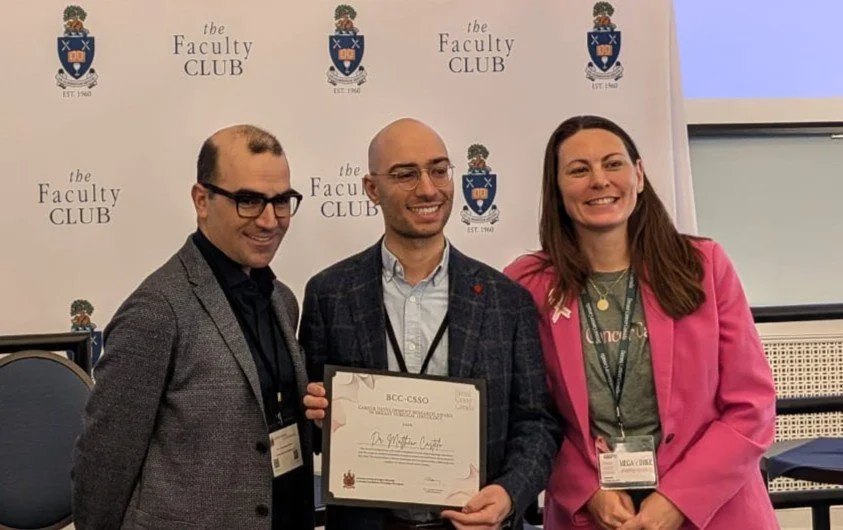
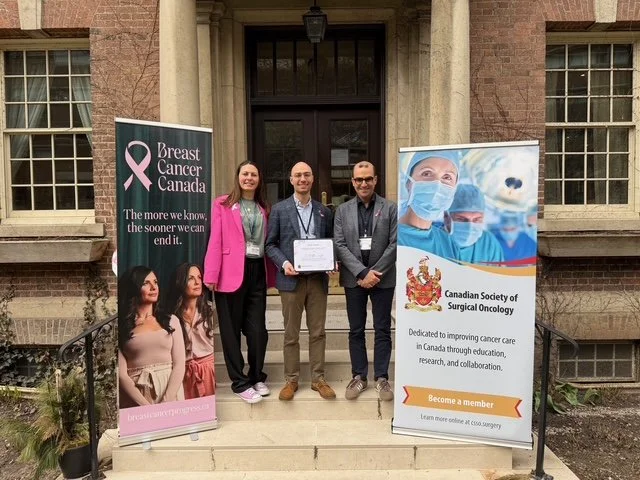
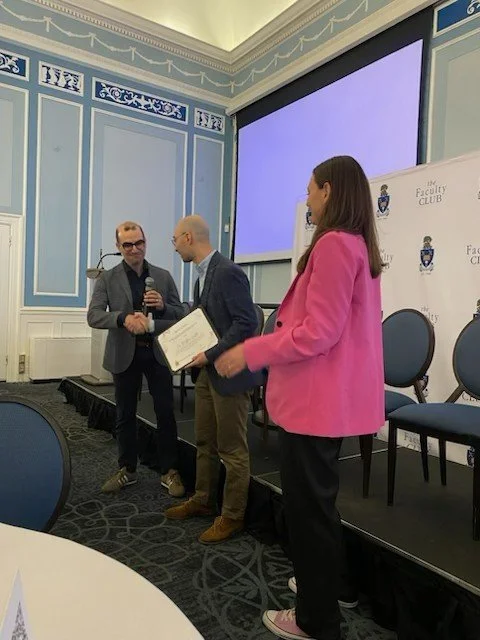
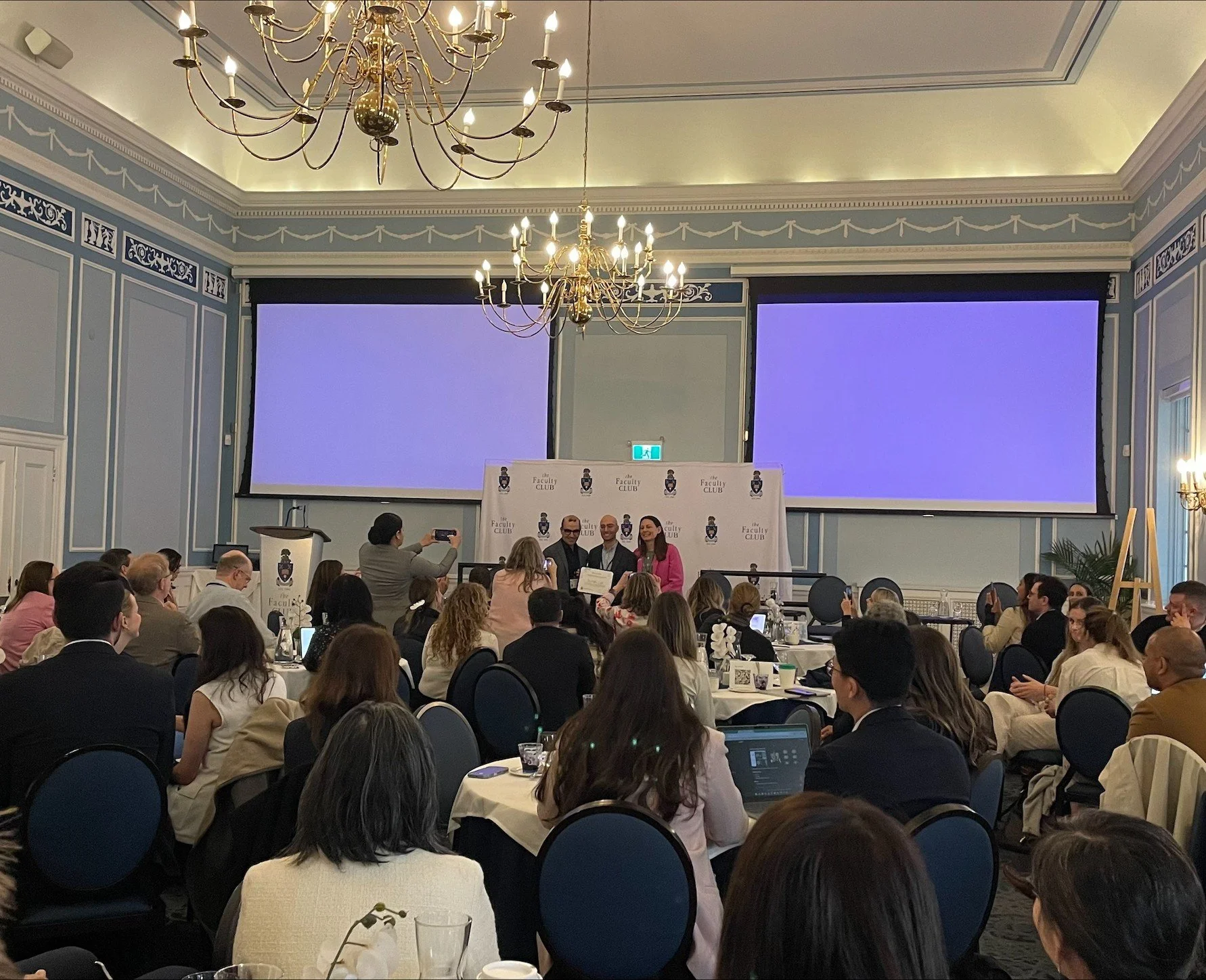
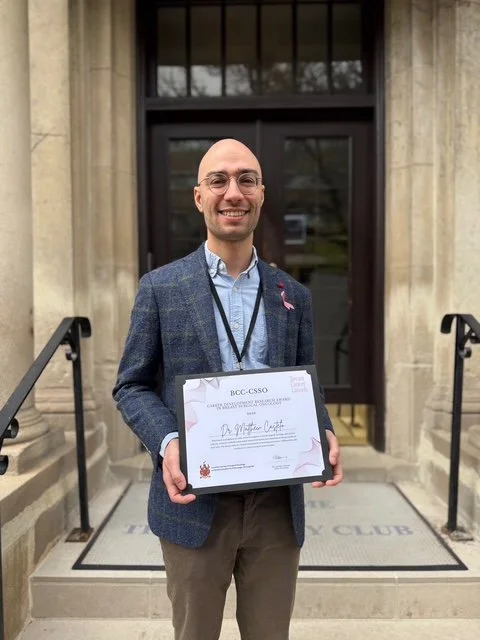
2026 - Dr. Matthew Castelo
Dr. Castelo, general surgeon and breast surgical oncology fellow at the University of Toronto, has been selected for his innovative project, PROTECT, which intends to use Ontario’s linked health administrative data to examine variation in breast cancer surgical care across surgeons, institutions, and regions.
His research will address three key areas: de-escalation of axillary surgery, access to autologous breast reconstruction and the plastic surgery workforce, and patterns of adjuvant endocrine therapy prescribing by surgeons versus medical oncologists. By identifying unwarranted variation, his work aims to improve equity, access, and adherence to evolving evidence-based standards in breast cancer care.